
Algorithmic Trading Explained in the Easiest Way Possible
 Seo
Seo Imagine making trading decisions in milliseconds, without fear, confusion, or hesitation. That’s the promise of algorithmic trading. And today, it’s not just for big institutions. Even retail traders are adopting algo trading to make their strategies faster, sharper, and more disciplined.
At Trade4Wealth, we believe that complex financial ideas should be described in simple words.
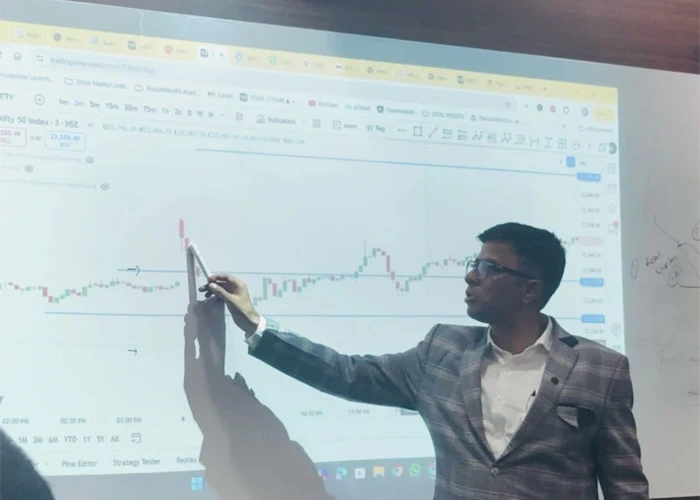
Amar Mandekar, an experienced trainer and expert at Trade4Wealth simplifies complex finance topics. He has trained more than 5000+ students successfully.
What is algorithmic trading?
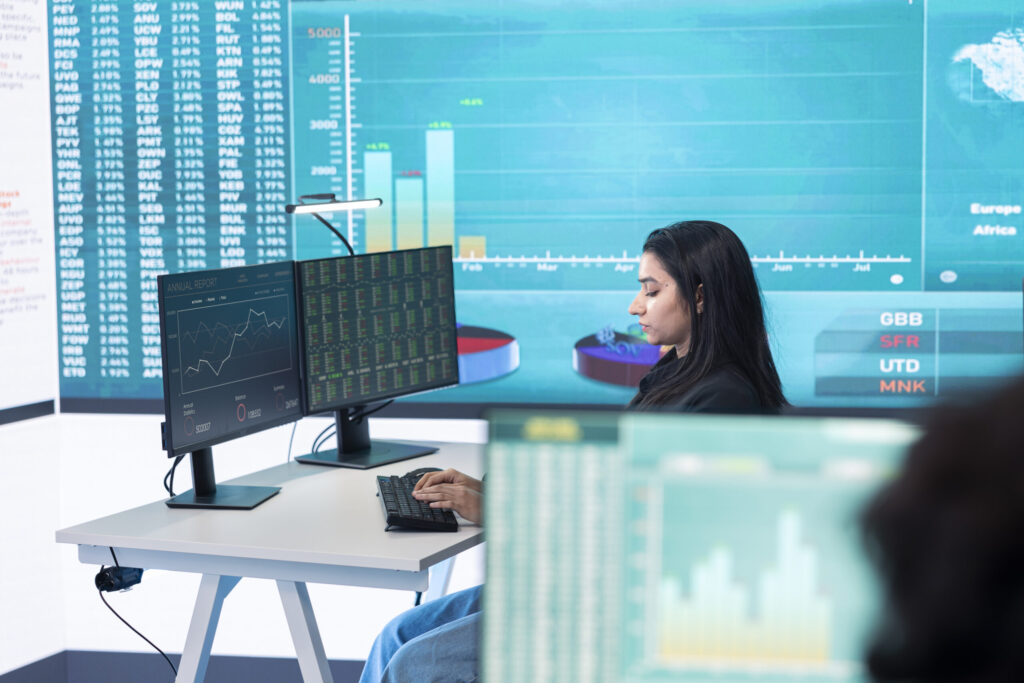
Algorithmic trading, also referred to as algo trading, is when computer programs autonomously execute trades for you. It follows a set of rules written in code. The rules may involve price movements, indicators, time, or market conditions.
In other words, you are telling the computer in simple terms: “Buy when this happens, sell when that occurs,”; and the system undertakes trading on your behalf. It perfectly follows your logic: no emotion, no delays, no second thoughts.
Traders like algos because markets are moving quickly. A human can take a few seconds to react. A computer reacts in real-time. That one advantage alone can change the trading outcomes.
So, let’s break down algorithmic trading in a way beginners can understand.
Why Algo Trading Became Popular?
With technology, trading has grown much faster. Now, markets create gigantic data every second. It’s impossible for a person to read everything and react to it in real time. The algorithms solve that problem.
Algo trading became popular because it offers speed and consistency. It removes emotional mistakes, which are one of the biggest reasons traders lose.
At the same time, it allows traders to test strategies before using real money. In this combination of control, testing, and automation, algo trading is attractive to both beginners and professionals.
How Algo Trading Works Behind the Screens?
At the heart of algo trading lies logic. This logic can come from market analysis, trading experience, or a specific strategy.
A typical algo trading workflow looks like this:
You define your strategy first. It can be based on moving averages, indicators, trend signals, volatility, or even patterns. When the strategy is defined, you transform it into code. This code tells the system when it should enter and when it should exit a trade.
The system proceeds to continuously monitor the market. It checks for price changes, pattern formation, news events, and whatever else your strategy requires. If those conditions come into alignment, according to your defined rules, the algo will execute the trade automatically.
Everything is automated, so trades are executed faster and accurately. No opportunity gets missed, no confusion, and no emotional bias.
Algo Trading and Emotions: Why Automation Helps?
Human emotions are powerful. While they can help in life, they often hurt in trading. Fear makes traders exit early and greed makes them hold too long. Doubt makes them skip winning trades. Algorithmic trading removes these emotions completely. The system does precisely what it is programmed to do-no more, no less. It never panics. It never overthinks. The discipline brings consistency. And in trading, consistency matters more than luck.
Impulsive decisions are avoided when following a rule-based system, keeping traders safe. Exactly that pure discipline, backed by data and logic, is what makes algo trading possible.
Secret Edge in Algorithmic Trading
The major plus of algo trading is the ability to test an idea on past market data. This process is known as backtesting, which will show if your idea would have worked earlier. With this information, one can refine the rules and improve results.
This is the step that ensures you are not trading blind. You use real history in an effort to perfect your strategy prior to using actual capital. Backtesting brings confidence and reduces risk-hence, professional traders utilize it to a high degree.
Types of Algo Trading Strategies
Algo trading strategies come in many forms: from following trends, identifying reversals, and finding quick price differences to relying on volume, volatility, or market patterns.
Trend-following strategies follow strong moves by making use of moving averages or breakouts. Mean-reversion-based strategies try to take advantage when the prices go back to their normal mean values.
Arbitrage strategies look out for small price differences between markets. Scalping approaches focus on tiny movements, with execution speed very important. Market-making strategies ought to buy and sell rapidly in order to maintain liquidity. Each strategy works differently, but they all follow strict rules. These rules define the entire decision-making process.
Algorithmic Risk Management
Another strong advantage of algo trading is that it automatically controls the associated risk. Every strategy can have its stop-loss levels, target levels, and position sizing rules. The system ensures that the risk remains controlled and limited. It will avoid overtrading, preserve one’s capital, and minimize human errors. In markets, risk management decides who survives. Algo trading strengthens this part like nothing else.
Is algo trading for beginners?
Many new traders feel algo trading is a field for experts. That is not true anymore, with the kind of tools and platforms that exist today. With today’s tools and platforms, beginners can start with simple rules and grow step by step. They can automate basic strategies, learn how markets behave, and improve their logic over time.
It means starting small and testing often, maybe staying away from complex systems until they understand how algos behave. In fact, if discipline is followed and learning is continuous, algo trading can become a strong trading partner.
Trade4Wealth helps beginners start small, learn consistently, and grow into disciplined traders under Amar Mandekar’s mentorship.
Future of Algo Trading
Algo trading is growing fast. With better data and smarter systems, it is becoming more accessible, more powerful. In the future, there will be far more automated strategies, even quicker execution, and more advanced analytical tools. Traders who adapt today will stay ahead tomorrow.
Conclusion
Algorithmic trading simplifies the way you trade. It gives you a method that is fast, disciplined, and backed by data. Following clear rules and automation, you trade with logic, not emotions. No matter you are new to trading or have years of experience, algo trading offers a smart way to approach the markets.
If you want to trade with more confidence, speed, and accuracy, now’s the time to explore algo trading with Trade4Wealth. This trading academy has trained more than 5000 students across India. Get advanced algorithmic solutions, market-tested strategies, robust systems, and enhance your skills for better decision-making.